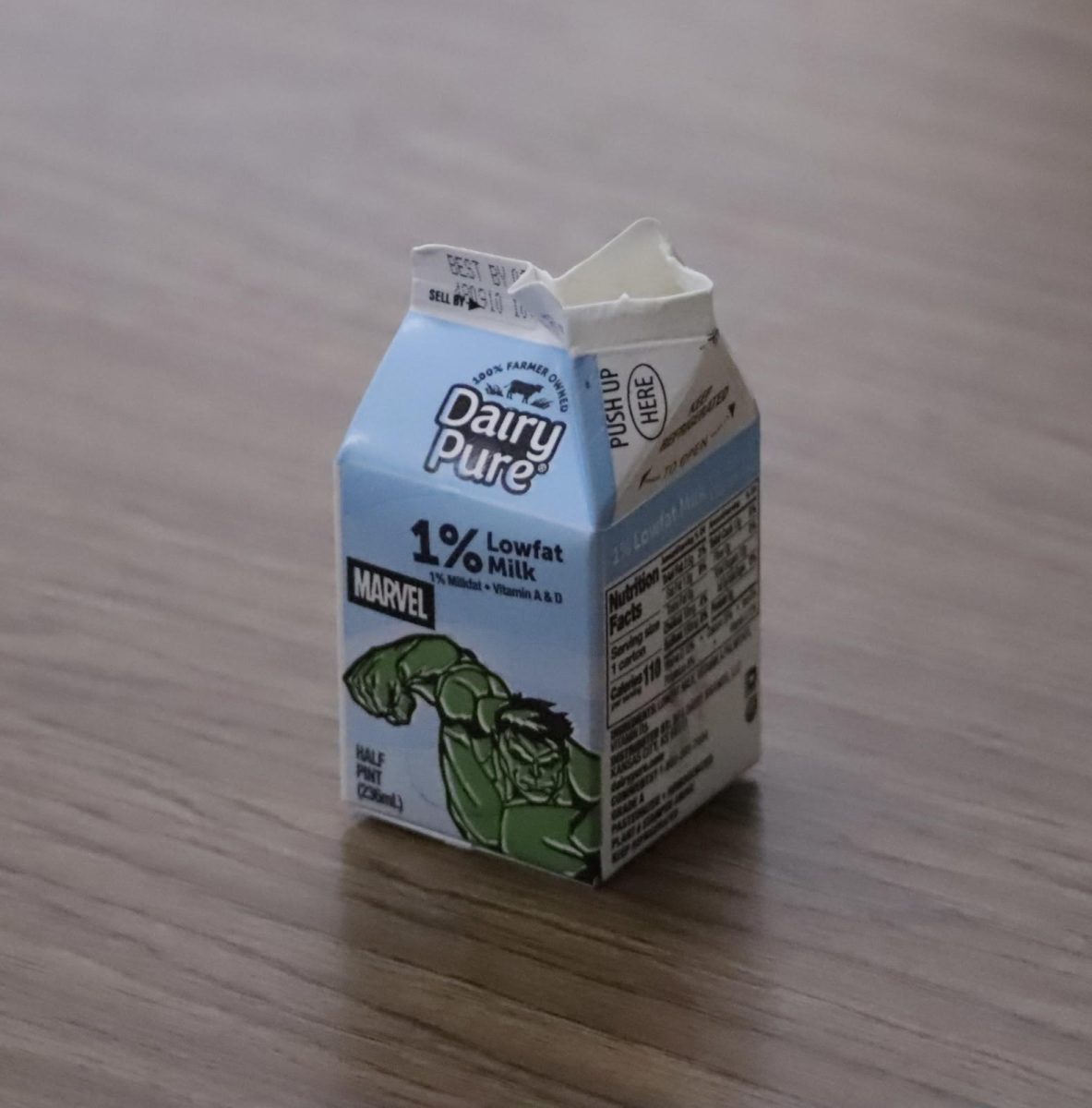
For many years, the school has been giving students the same food for lunch, and students long for more variety. Students say the lunches lack diversity, and they complain about the quality of the food. Texas public schools follow the National School Lunch Program (NSLP) which is a federally assisted meal program that provides lunches to more than 3 million Texas children in school and residential child care institutions that meets a wide range of federal nutrition requirements, such as providing whole grains, fruits and vegetables, limiting sodium and added sugars. However, school districts can decide on what foods to buy and how they want the foods to be prepared, depending on the funding they receive.
The school board should have the school nutrition manager restructure the school lunch menus to more fully meet the maximum requirements of the National School Lunch Program using a variety of fresh food and vegetables..
The school lunches meet the minimum nutrition requirements, but most of the food that is served is prepackaged or canned which has preservatives, and there’s rarely any fresh food. The school fails to take into account students with different meal needs and dietary restrictions, and the food lacks a variety of live produce. So a meal might technically meet the standards but still look like: pizza + corn + fruit cup + chocolate milk. That’s compliant—but not exactly what people picture when they hear “healthy school lunch.”
When it comes to how tasty the food is, students say that it doesn’t taste good or it’s mediocre. Though schools follow food safety regulations, the reliance on highly processed foods may contribute to student dissatisfaction and low participation in school meals.
Students say the quality of the food affects how they feel throughout the school day. While having access to lunch helps prevent hunger and supports concentration, others report feeling tired, unsatisfied, or even sick after eating.
Opponents of the NSLP say even when schools follow the rules, the food can still be… underwhelming because of ultra-processed foods, minimum compliance of optimal nutrition, sodium and sugar content, and taste.
To solve this problem, there should be more variety, more fresh food with nutrients, more funding, and limit the amount of canned and prepackaged food which can be done if the school board will approve the redesign of the school lunch menu.